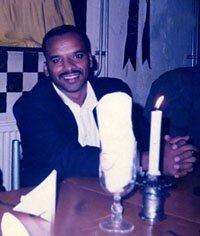
SOME THOUGHTS AND ACCOMPANYING QUESTIONS BY JAMES TAYLOR:
Frank, my overriding response to your book is that it is a remarkable reflection of your journey as a conscious thinking, learning practitioner. It is rare to find experienced and rooted “grassroots” type practitioners who take up the challenge to capture and share their experience through writing. This book reflects an enormous array of learning, insights, models, practices, and tips that you have managed to collect and collate from your own practical experience and commitment to ongoing learning.
Throughout the book there is a sense that you are “struggling” with how leadership can contribute towards bringing new organisational forms into being. There is always the hint that leadership needs to be understood and practiced differently in organisations that have social transformation as their ultimate purpose. This sense of disquiet with existing practices links your book to many others who are seeking the new.
Emerging from the periphery of society there is a new way of understanding the interdependent nature of the world that sees human systems as but a part of it. This world view is deeply questioning many of the dominant organising principles and structures that have been so successful in bringing human society to where it is today. Despite all our remarkable achievements of the past, the ongoing nature of development is now again demanding that humankind face the challenge of reviewing and transforming the relationships that give form to society as we know it. This is the ultimate challenge facing those committed to the practice of development, and of the role of leadership within it.
Put into this context your book reflects the fact that we are all struggling to build a clear picture of the role of leadership in transformed organisations, and what their role is in facilitating this transformation. As is reflected in your book we are all still limited by the power of existing forms and practices of leadership that cause us to slip back into old known forms. In this unclear emergent phase we must not look for quick answers but be led by good questions.
I share a few questions that might be helpful in our search for new forms:
· How should those in leadership positions fulfil their function in ways that reinforce an understanding of leadership as an organisational function contributed to by all and not some heroic person and position?
· How can we elevate followership practice to the same status as leadership, recognising that good leadership really is totally dependent on the quality of the practice of followers?
· How will leadership need to change to create organisations that do not extract power, wealth and value from the periphery in order to concentrate them at the “top”?
· How should leadership be executed to counter the belief that everything of value resides at the top and everyone should aspire to be there?
· How can leadership add value to that (and to those) residing at the periphery?
· What would leadership look like that is based on the understanding that the creativity that leads to transformation emerges from the chaos that exists at the periphery of living systems, and not from the fragile order and need for control that exists at the centre (or the “top”)?
JamesTaylor
Executive Director
Community Development Resource
Association (CDRA)
April 2006
posted by frankjulie @ 12:54 AM
0 comments